

Spiritual Traditions Reflected in Japanese Graves
Japan has a long and rich cultural history with distinctive spiritual traditions. Japanese graves and memorials are one expression of those traditions.
Beliefs about rebirth
Some Japanese religious traditions teach that, after death, the spirit may be reborn into another existence. In these traditions, the grave can be regarded as an important place of remembrance and spiritual connection.
Ancestor veneration
Ancestor remembrance is important in Japan. Many families visit ancestral graves to pay their respects, remember loved ones, and offer prayers.
Respect for the deceased
Showing respect to those who have died is a significant cultural value. Some traditions hold that ancestors continue to watch over and protect their descendants.
Distinctive features of Japanese grave architecture
-
Japanese grave architecture has characteristic forms that reflect the country's culture, religions, and customs. Some notable features include:
-
Simple, restrained architecture: Many Japanese graves have minimalist designs, often featuring simple stone monuments or headstones that express dignity and respect for the deceased.
-
Headstones and symbols: Headstones may be inscribed with kanji characters and meaningful motifs. Flowers, birds, and Buddhist symbols also appear in memorial decoration.
-
Gardens and landscaping: Some graves are surrounded by greenery, flowers, and natural elements, creating a peaceful atmosphere that reflects an appreciation for nature.
-
Stone monuments and chamber tombs: Certain ancient burial sites feature substantial stone structures or chamber tombs with more elaborate construction, sometimes associated with people of high social status.
-
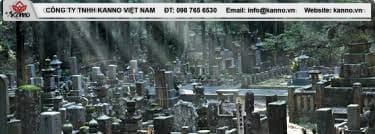
Memorial areas: Graves are commonly located in cemeteries or temple grounds, where multiple monuments create a shared space for remembrance and ritual.
-
Grave-visiting customs: Families may visit graves during occasions such as Obon to remember their ancestors. Cleaning the site and placing fresh flowers and offerings are signs of respect.
-
Natural materials: Stone and other natural materials feature in Japanese memorial architecture and can reflect traditional ideas of harmony with the natural world.
Japanese graves are not only resting places; they are also spaces for remembrance that express important aspects of the country's cultural and spiritual traditions.
-
Customs associated with Japanese graves
-

Spiritual traditions reflected in Japanese graves
Conclusion
Japanese graves represent a distinctive part of the country's cultural heritage, reflecting beliefs about life, death, and remembrance. Visitors interested in Japanese culture can learn about these traditions by respectfully observing memorial architecture and grave-visiting customs.


