
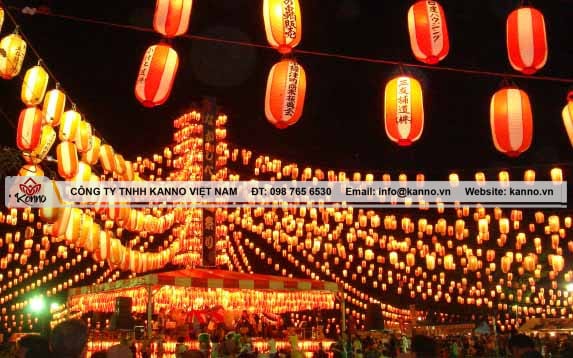
Obon Festival: A Connection Between the Living and the Departed.
This annual festival honors the memory of those who have passed away and symbolizes a connection between the living and the deceased.
Obon is celebrated in Japan during the summer, often around August 13–16, although the dates vary by region and calendar tradition. Families remember loved ones through offerings, lanterns, flowers, and sometimes favorite foods and drinks of the deceased. It is also a period of family reunion and community activities. Join KANNO Trading in exploring this tradition.
Cultural, traditional and recreational activities

Cultural and traditional events take place during Obon. One of its best-known activities is Bon Odori, a traditional dance of Japan. Dance groups perform distinctive routines, and community members are often invited to take part.
In addition to traditional performances, some Obon celebrations feature games, local foods, and community festivities. These activities bring neighbors together and strengthen social connections.

Obon is an important cultural and religious observance in Japan. By preserving and sharing its traditions, communities pass cultural values to future generations.
Obon honors the memory of those who have died and creates a symbolic connection between the living and the departed. Remembering and making offerings to ancestors are important elements of Japanese traditions, and Obon provides a special occasion for such expressions of affection and care.
In summary, Obon is one of Japan's most significant traditional observances. The connection it represents between families and deceased relatives helps preserve cultural values across generations.
Japan's Obon festival shares several features with Vietnam's Vu Lan festival , particularly the emphasis on remembering and honoring ancestors and the use of traditional offerings and ceremonies.
Remembering Ancestors
Both Obon and Vu Lan provide opportunities for descendants to express filial respect toward their ancestors and deceased loved ones. Families may perform rituals, offer incense, and make offerings while praying for the peace of departed souls.
Obon is an annual occasion when, according to tradition, ancestral spirits are welcomed home and wished peace in the afterlife. It is widely observed in Japan during summer, frequently in August.
Vu Lan is an important Buddhist observance in Vietnam, traditionally held in the seventh lunar month. It offers an occasion to honor parents and ancestors and to perform prayers for the deceased.
Offering Rituals
Offerings are an important part of both celebrations. Families may prepare food, burn incense, present fruit and flowers, and participate in religious ceremonies.
Obon: Obon offerings may include flowers, fruit, and food for ancestors. Some families light lanterns, or tōrō, as symbols guiding ancestral spirits. Families may also visit graves and participate in rites at temples.
Vu Lan: Vu Lan offerings often include vegetarian dishes and fruit, and some families observe rituals for wandering spirits. Temple ceremonies may also include prayers for ancestors and departed souls.
Although Obon and Vu Lan have different cultural and religious origins, both express deep respect for ancestors and deceased loved ones. Their offerings, prayers, and ceremonies reinforce remembrance and connections between generations.


