
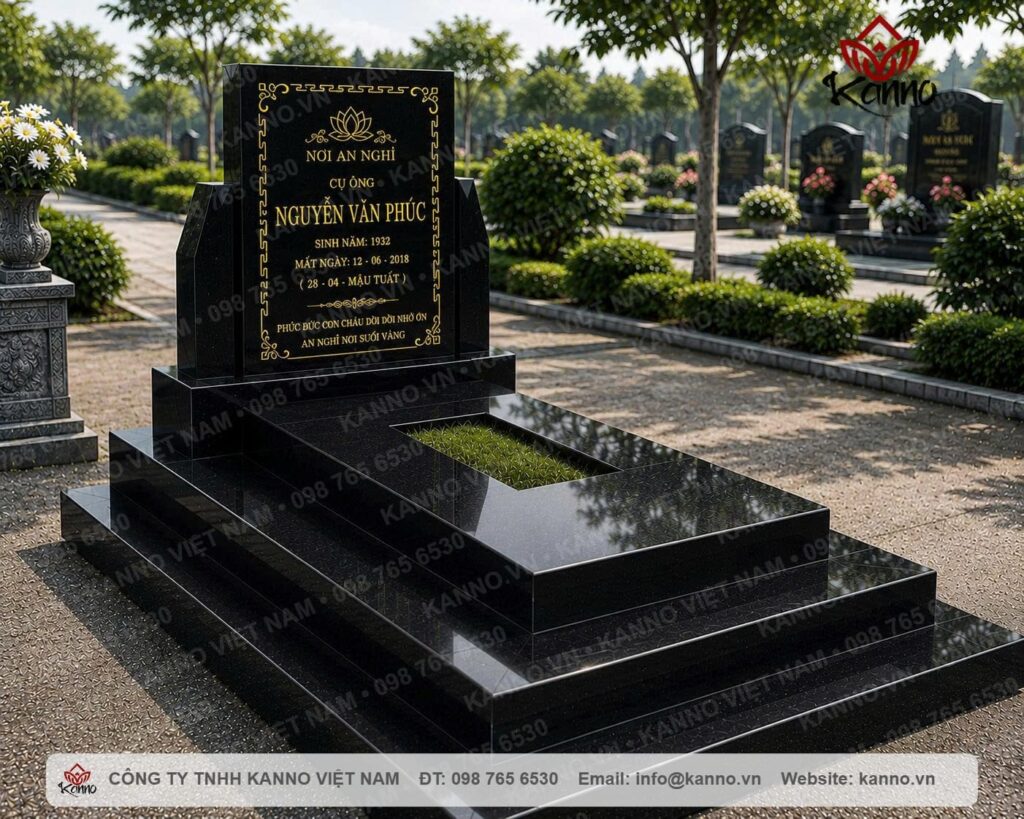
Granite for graves is a common choice because of its high hardness, attractive surface, wide color range and good outdoor suitability when the right stone is selected and installed correctly. However, granite types differ in color, grain, consistency and workability. Families should consider the stone type, color, origin, component size and finish together rather than choosing from photos alone.
For finished products, see the granite memorial category. To review materials currently used by KANNO, see the stone materials page.
Why is granite suitable for graves?
Granite is a natural stone with a dense crystalline structure, high hardness and good abrasion resistance. For outdoor graves, these characteristics help the surface remain stable when fabrication, installation and maintenance are handled properly.
- High hardness: suitable for grave bodies, headstones, steps and components that need clear geometry.
- Attractive finish: can be polished, honed or finished to suit the design.
- Many stone colors: black, gray, white and natural patterned variations.
- Easy project coordination: the same stone can be used for graves, headstones, offering tables and memorial-garden elements.
For more information about durability and cracking risks, see the granite durability guide.
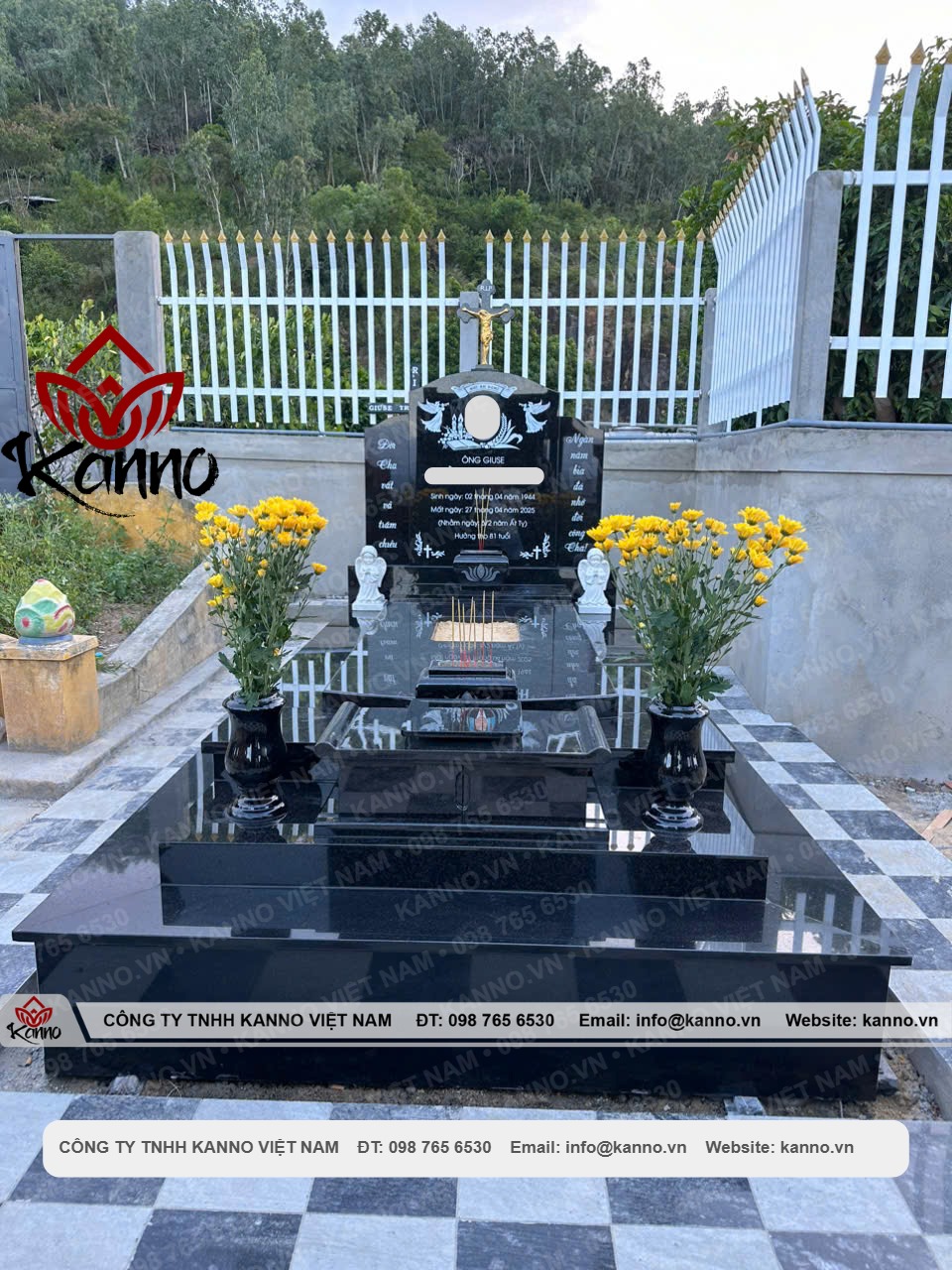
Some granite materials currently available at KANNO
Actual stone color and grain should be reviewed before approval. Below are several material samples in the KANNO system; see the full collection on the materials page.
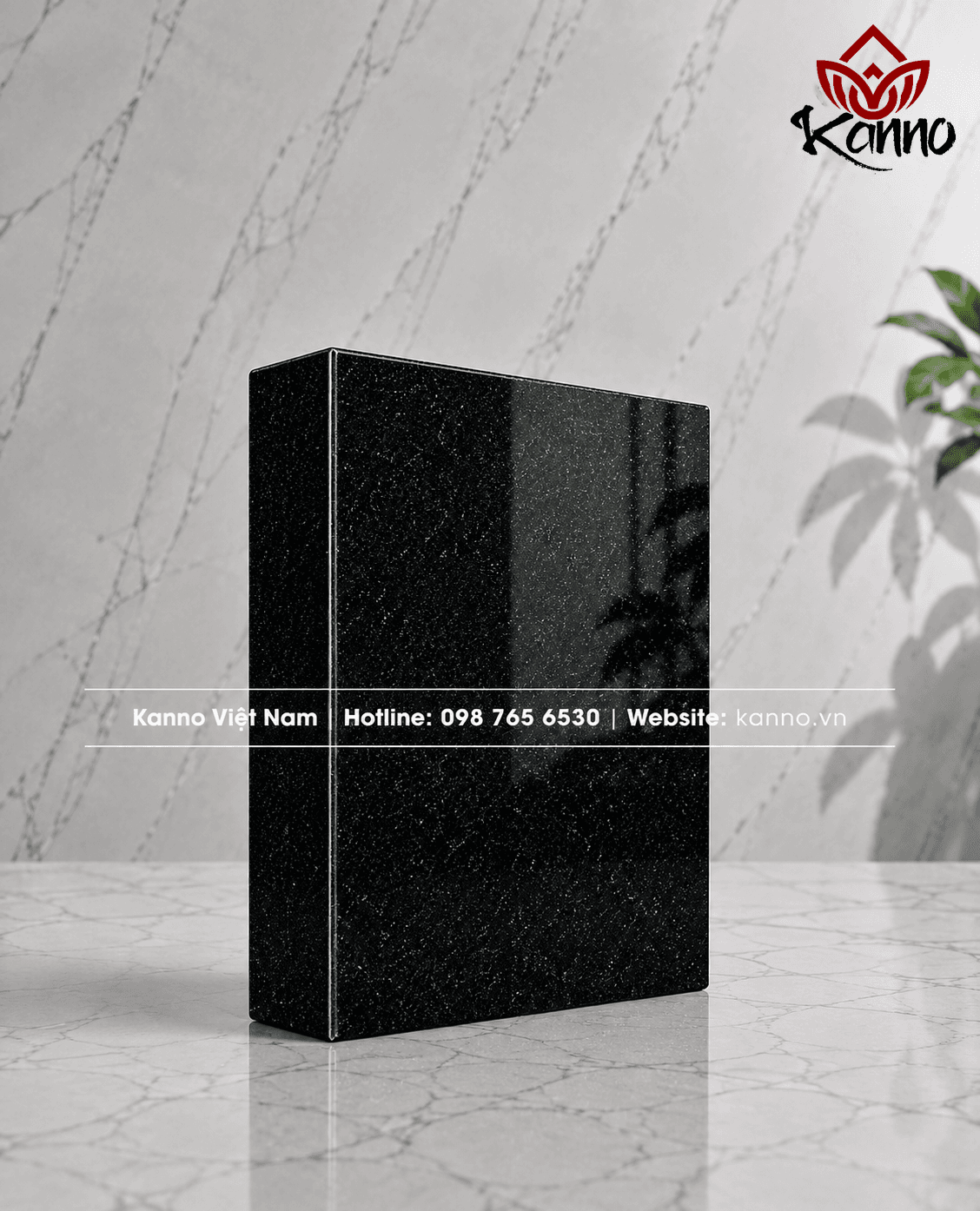
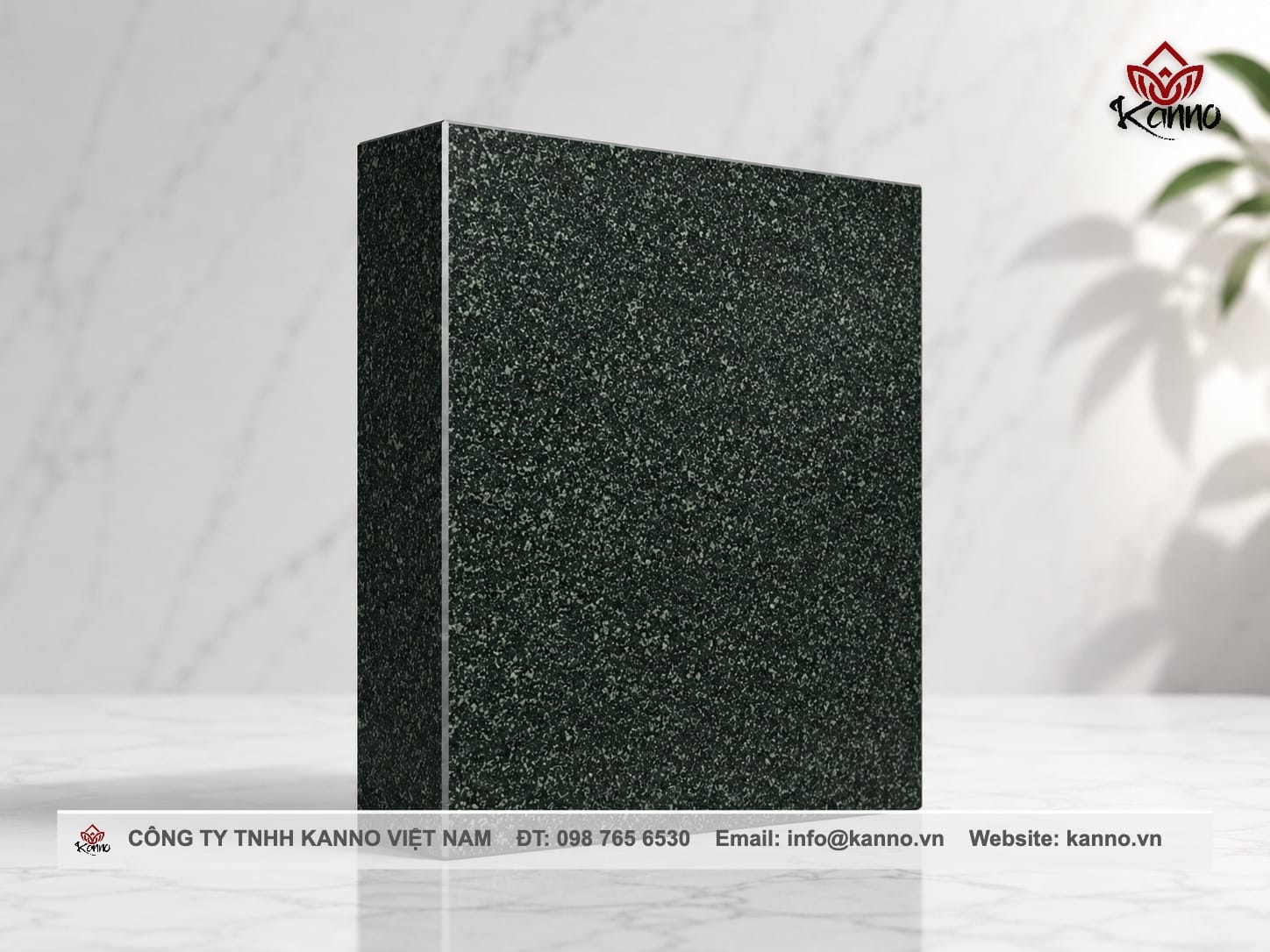
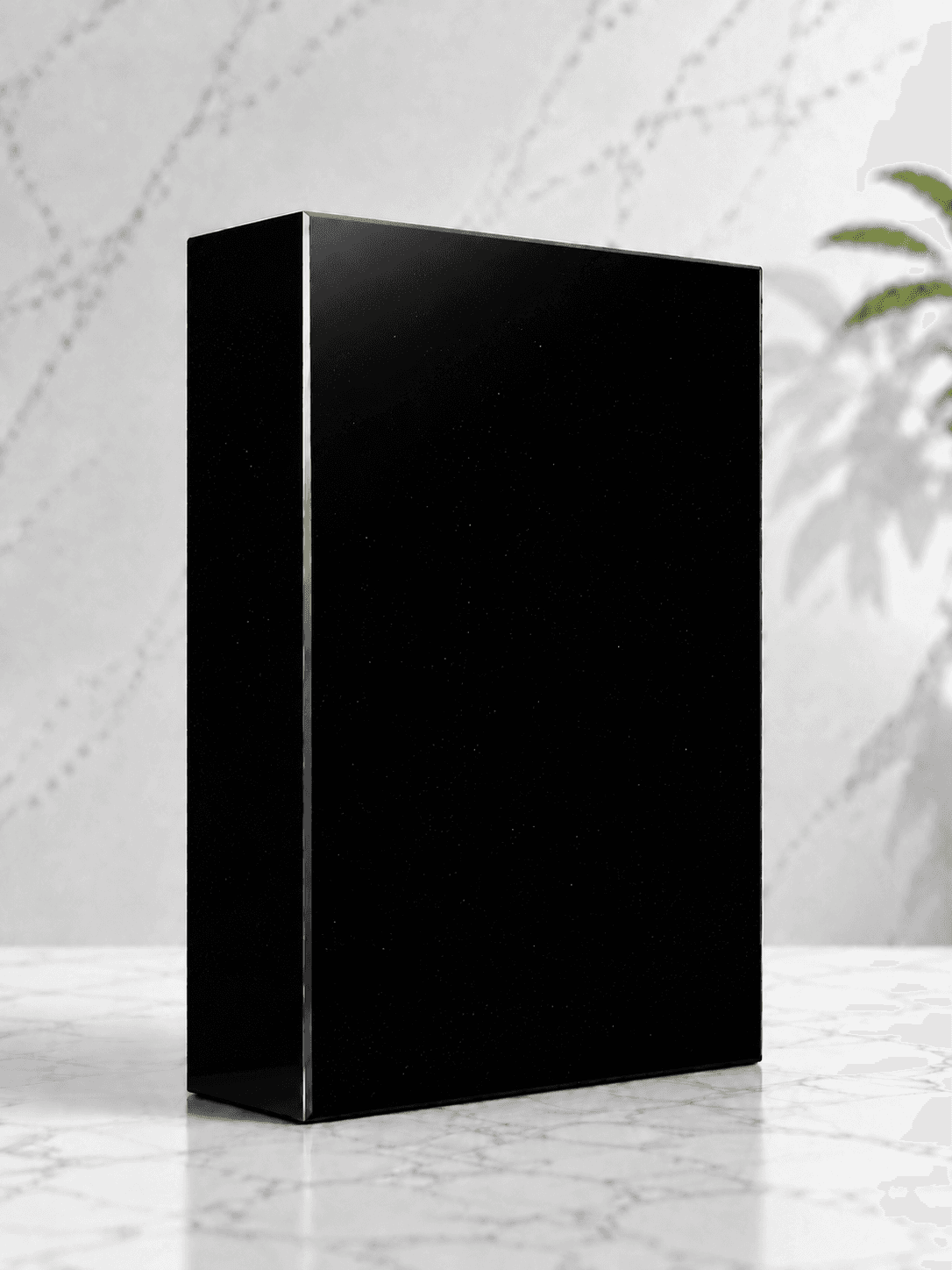
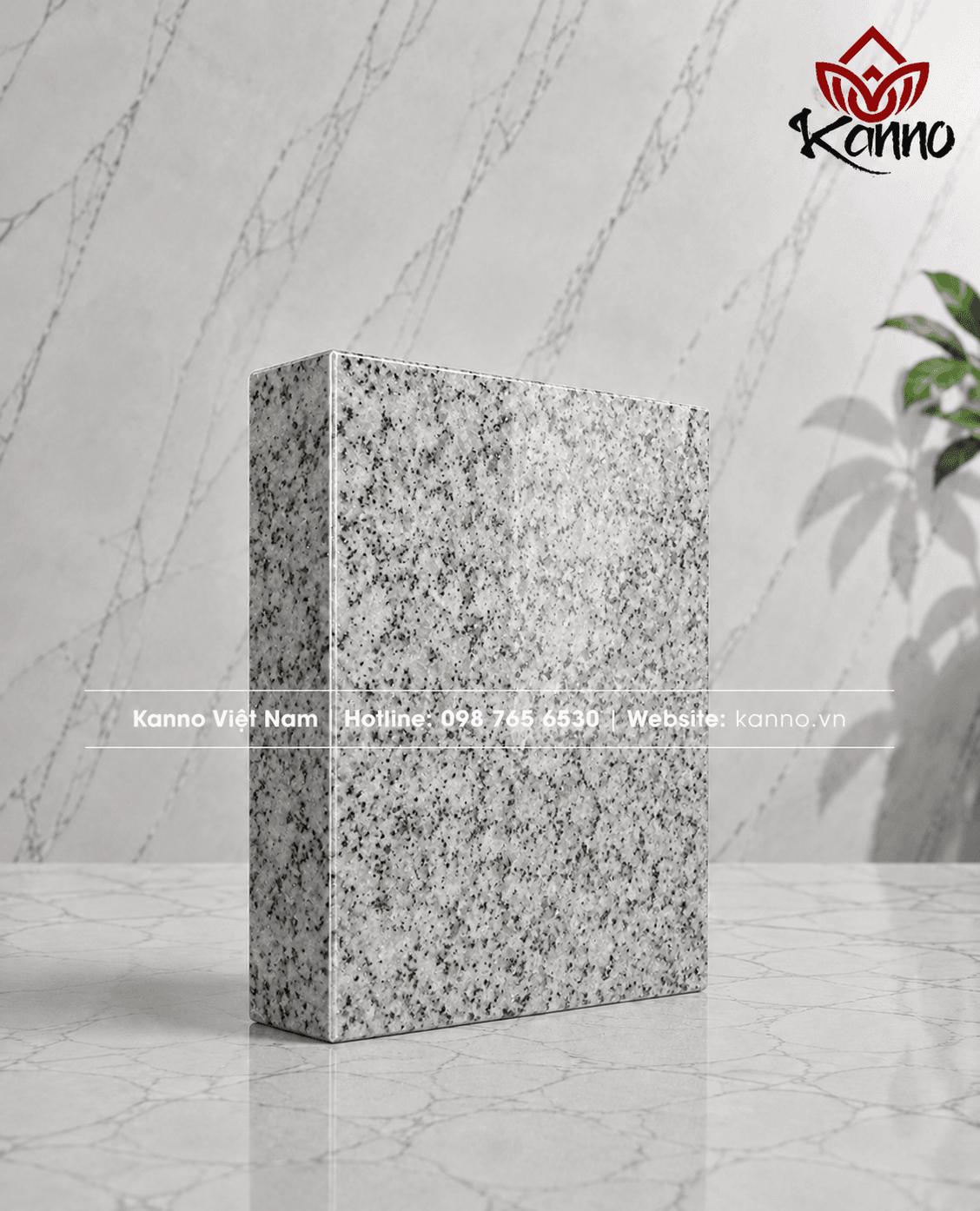

Granite types commonly used for graves
Black granite
Black granite is frequently chosen for graves because it creates a solemn appearance, defines architectural lines clearly and pairs well with light-colored lettering. For Indian black stone, see the Indian Black Granite grave guide.
Gray granite
Gray granite has a neutral tone that suits minimalist designs and memorial gardens with natural landscaping. Material consistency between slabs should be checked to avoid visible color variation.
Light-colored granite
Light granite creates a brighter, softer appearance. Review the actual stone sample, surface finish and outdoor conditions before making a final decision.
Which granite color should you choose for a grave?
| Stone color | Advantages | Suitable for |
|---|---|---|
| Black, green | Solemn appearance, strong lettering contrast | Single graves, double graves, upright headstones, minimalist designs |
| Gray | Neutral and easy to coordinate with landscaping | Family memorial gardens, modern designs |
| Light tones | Bright and visually lighter | Designs that require a softer overall appearance |
Stone color alone does not determine quality. The specific material, stone structure, consistency and fabrication method also matter.

What are the advantages of granite compared with other grave materials?
Granite offers advantages in hardness, natural surface quality and weather resistance when used outdoors. Each material still has its own strengths and limitations. If you are comparing granite with other stones, see the grave material selection guide.
Does granite crack easily?
Granite is not a material that “never cracks.” Cracks may result from natural weak points in the stone, impact during transport, uneven foundation settlement, overly thin components or unsuitable connections. Stone quality and installation technique are therefore as important as the stone type itself.
5 criteria for choosing granite for a grave
- Review a real stone sample: do not rely only on photographs.
- Check material consistency: especially when the project uses many stone components.
- Select by component: headstone, body, cover and steps may require different considerations.
- Check installation conditions: transport routes, foundations and cemetery access.
- Compare against the drawing before approval: stone color should be assessed together with proportions and design.
- Consider budget: granite is often priced higher because of its durability and appearance.
How much does granite for a grave cost?
Price depends not only on the stone type but also on dimensions, grave design, component thickness, fabrication complexity, transport and installation. For pricing intent, see the dedicated granite grave cost guide.
Is granite always the best material for a grave?
Not necessarily. Granite suits many projects, but the final choice should depend on design, budget, installation conditions and preferred appearance. This guide focuses on granite; for comparisons with other stones, see the grave material guide.
If you have chosen granite and are ready to move to implementation, see granite grave construction. For solid-stone grave budgeting, see solid granite grave pricing.
Frequently Asked Questions
Granite generally has high hardness and good abrasion resistance, making it suitable for many outdoor projects. Actual durability also depends on the stone type, stone block quality, foundation, fabrication and installation.
Yes. Black granite is often chosen because it creates a solemn appearance and provides strong contrast with light-colored lettering.
There is no single correct choice for every project. Black granite suits designs that need stronger contrast, while gray granite works well for a more neutral appearance.
No. Review the actual stone sample, consistency, finish and project drawings before approval.
You can browse the KANNO granite memorial category to compare available designs and products.


